Parvo Treatment
Conventional parvo treatment for dogs and puppies mainly involves keeping the dog hydrated and using medications to control symptoms such as vomiting and diarrhea. Natural remedies, such as homeopathy, herbs, and supplements, can be used in conjunction with conventional medications to control parvo symptoms.
 Regrettably, there is no drug that can cure a dog with parvovirus. Treatment is mostly directed at controlling the symptoms, preventing dehydration, and trying to make the dog as comfortable as possible under the circumstances.
This page looks at how a dog with parvo is typically being treated conventionally, and how we can use natural remedies in conjunction with conventional medications to alleviate some parvo symptoms such as vomiting and diarrhea.
It also looks at using herbs and dietary supplements as after-care treatment to strengthen the immune and digestive systems.
Conventional Dog Parvo Treatment
As mentioned above, there is no "cure" for canine parvovirus.
Parvo treatment is limited to supportive therapy - controlling the symptoms and keeping the patient warm and as comfortable as possible. Very often, hospitalization is required.
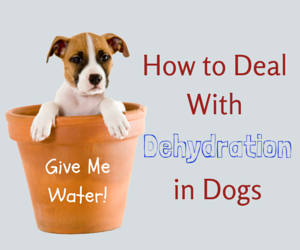
The most important parvo treatment is to prevent dehydration caused by vomiting and diarrhea.
Therefore, the first step taken by vets is to replace fluid and electrolyte loss. These can be given to the dog either orally, subcutaneously (under the skin), or intraveneously, depending on how seriously the dog is dehydrated.
Also, blood transfusions may be necessary.
If the dog is vomiting uncontrollably, drugs will be given to slow the vomiting.
Antibiotics will be used to prevent secondary bacterial infections, and corticosteroids or NSAIDs (non-steroidal anti-inflammatory drugs) will be used to control intestinal inflammation.
The most important thing is to provide lots of support to the dog patient during the initial 3-5 days during which the dog's body repairs the intestinal lining. However, even with intensive medical treatment and support (which can be expensive), a lot of dogs succumb to the virus and die.
As conventional parvo treatment (especially treatment that involves hospitalization) can be very expensive, sometimes some dog owners simply cannot afford such treatment.
In such cases, home treatment should be mainly directed at keeping the dog hydrated. Pedialyte, which is the fluid of choice for dehydration, should be given to the dog (Gatorade should NOT be given since it contains too much sugar and salt. It will just suck out any fluids that are left in the dog).
Prescription drugs can be given to the dog to control vomiting.
Natural Dog Parvo Treatment
Natural remedies can be used in conjunction with conventional medication to help relieve acute symptoms such as vomiting and diarrhea.
When the dog is recovering from the disease, natural supplements and remedies can also be used to strengthen the weakened digestive and immune systems.
Please remember that none of these remedies and supplements will cure parvo, but they can enhance conventional parvo treatment and help your dog recover faster.
There are also homeopathic nosodes that may control parvo outbreaks, but nosodes should be used carefully and always under the supervision of a professional vet. Therefore, be sure to consult a holistic vet if you would like to use nosodes for dog parvo.
Homeopathy for Acute Parvo Symptoms
Homeopathic remedies are effective in relieving GI symptoms such as vomiting and diarrhea. Usually they act rather quickly.
For acute vomiting and diarrhea, use Arsenicum Album
This remedy can be life-saving and should be in your dog first aid kit. Give your dog one dose every hour for up to 6 doses, and then 4 doses daily until the vomiting and diarrhea subside.
If the vomit contains blood, use Phosphorus
If there is blood in the stools, use Mercurius Corrosivus
Vitamins and Herbs for the Immune System
Vitamins and immune-boosting herbs are effective in strengthening the immune system which has been greatly weakened by the virus.
- Vitamin C: Vitamin C is effective for immune-building. Give 5-10 mg/lb, 2-3 times daily to your dog.
- Vitamin E: Vitamin E can also be given (5-10 mg/lb, once a day) to your dog to boost his immune system.
- Echinacea: This herb is very effective in boosting the immune system, and it also supports the lymphatic system. Other immune boosting herbs include Siberian ginseng, Ashwagandha, and Oregon grape.
A Good Natural Immune Booster
Immune SURE for Canine Immune System Support
This all natural herbal formula contains immune boosting herbs such as Echinacea, Elderflower, Goldenseal, Lemon Balm, Licorice, and more and can greatly help a dog weakened by parvovirus.
Natural Supplements to Strengthen the Digestive System
Probiotics should be given to your dog to restore normal intestinal bacteria, especially if antibiotics have been administered.
Digestive enzymes can help the mending digestive system to better digest and absorb nutrients from foods, so that the dog weakened by parvovirus can get the most out of the foods he eats for a quicker recovery.
Parvo Treatment Summary
In the unfortunate event that your dog has become infected with parvo, here is what you should do:
- Take her to the vet for treatment.
- Additionally, use homeopathic remedies to alleviate some of the acute symptoms caused by parvo.
- Feed her a bland diet.
- Keep her isolated for at least a month after she recovers.
- Use natural supplements and herbs to build up her immunity and digestive system.
Prevention of Parvovirus
To prevent the spread of parvo, remember to:
- Vaccinate your puppy against parvovirus.
- Pick up any dog poop on your property or during walks.
- Use chlorine bleach mixed with water to wash and disinfect dog bowls, bedding, the floors, crates, etc.

General Information and Symptoms of Parvo in Puppies
Also visit this page for more general information on parvovirus in puppies and dogs.
For symptoms, click here.

Recommended

Cancer Forum

DIY Dog Grooming

Canine Dental Care

Raise A Green Dog
Like Us on Facebook

